
Microfluidic membranes for plasma separation in lateral flow, POC, and custom applications
Teams rely on PrimeCare™ microfluidic membranes for their blood and plasma separation needs. Membranes are customized to your application and available in roles to 100m length or ribbons to 114.3mm width. Different pore sizes are available, and membranes can be customized.
Microfluidic membrane evaluation roles and samples available.
PrimeCare™ S/G
High-concentration anti-hemolytic coating with robust plasma separation. Microfuidic membranes designed for applications up to 150μL whole blood where sample integrity and batch consistency are the priority.
- Proprietary anti-hemolytic coating
- Optimal RBC integrity during separation
- ISO 13485 manufactured
- Sample volume: up to 150μL whole blood
- Proprietary anti-hemolytic coating
PrimeCare™ X
Thinner profile for faster filtration and controlled plasma release. Works independently with small sample volumes or in tandem with an S/G microfluidic membrane for metered release in larger volume applications (>200μL).
- Faster filtration profile
- Designed for small sample volumes
- Tandem-compatible with S/G membrane
- Controlled, metered plasma release
- Faster filtration profile
How PrimeCare Membranes Work
PrimeCare Membranes use a pore-size gradient: 40–50μm at the top surface, narrowing to 2–3μm at the bottom. Whole blood enters through the large-pore surface. Red blood cells are retained as pore size decreases through the membrane depth. Plasma passes through. Separation time is as fast as 60 seconds/cm², depending on hematocrit and membrane characteristics.
Learn about custom microfluidic membranes
Customization Options
- Pore size & thickness, regulate migration speed
- Custom coating to minimize/eliminate RBC hemolysis
- Ribbon widths from 7mm to 114.3mm
- Evaluation rolls start at 10 meters
- Commercial lengths to 100 meters
- Uncoated options are available for assays with specific surface requirements.
Integration support is available including: adhesive recommendations, membrane configuration guidance, and surface treatment options for assay-specific sensitivity targets.
Quality Systems
- ISO 13485 certified manufacturing
- Every lot tested for:
- Efficiency
- Coating uniformity
- Structural integrity
- High batch-to-batch consistency
Applications We Support
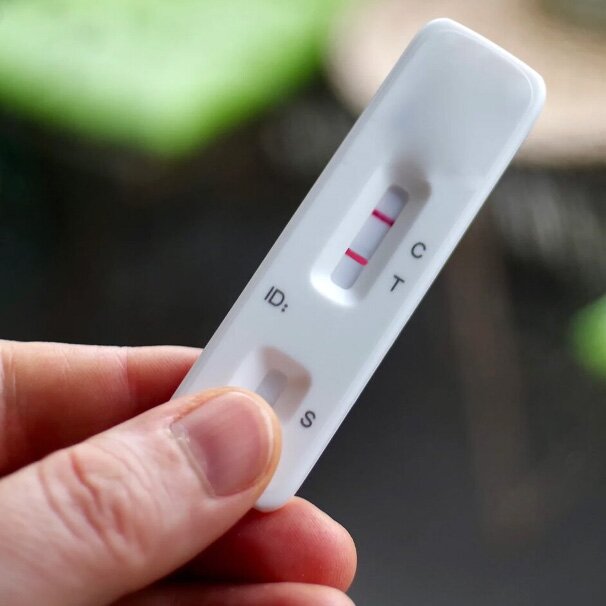
Lateral Flow Assays
PrimeCare membranes are utilized in rapid, point-of-care (POC), and home diagnostic devices, such as those detecting infectious diseases (HIV, COVID-19, malaria, hepatitis B). We also offer lateral flow assay development.
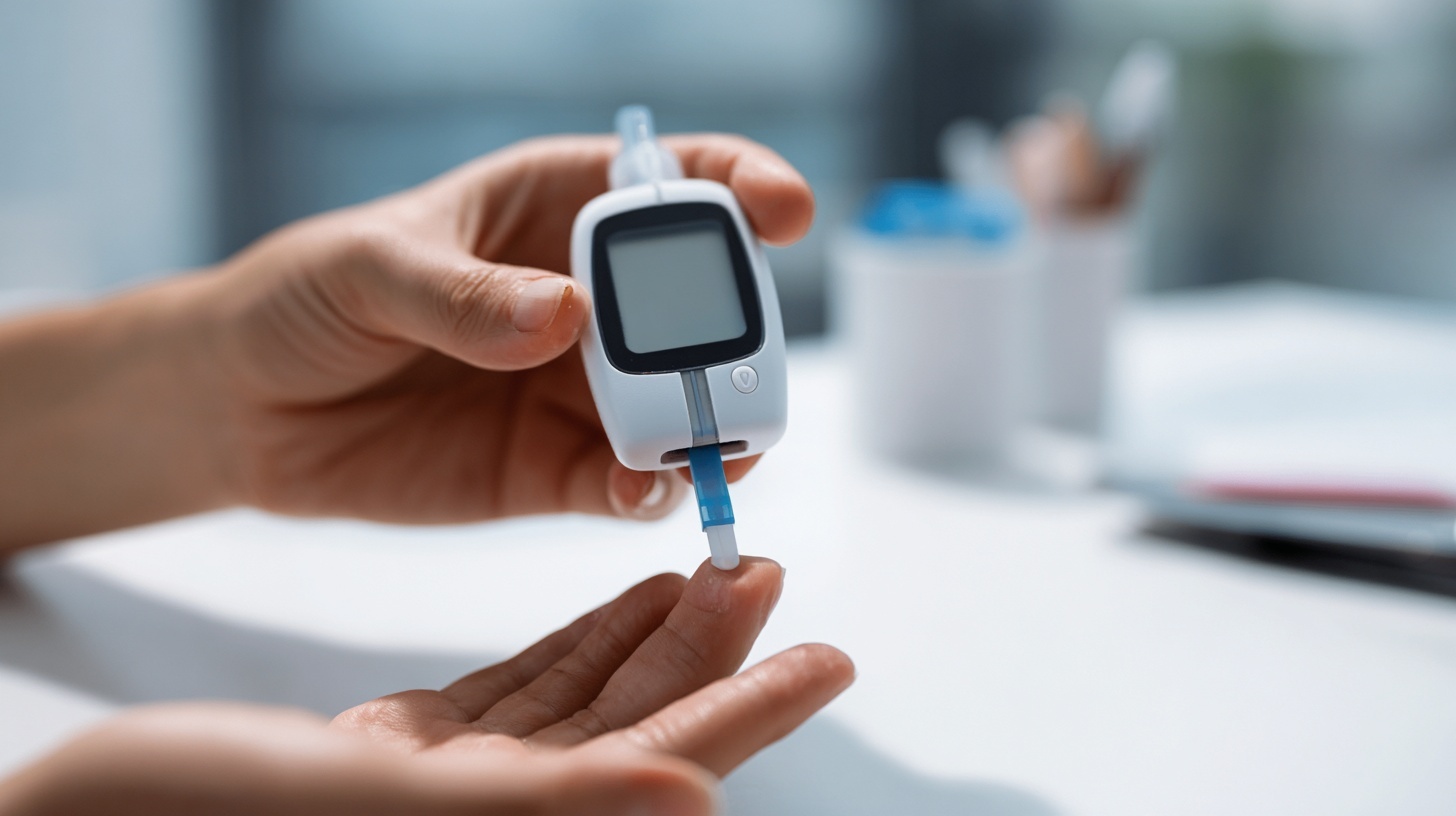
Blood Glucose Monitoring
PrimeCare membranes separate plasma from capillary blood samples in diabetic testing devices to improve accuracy.
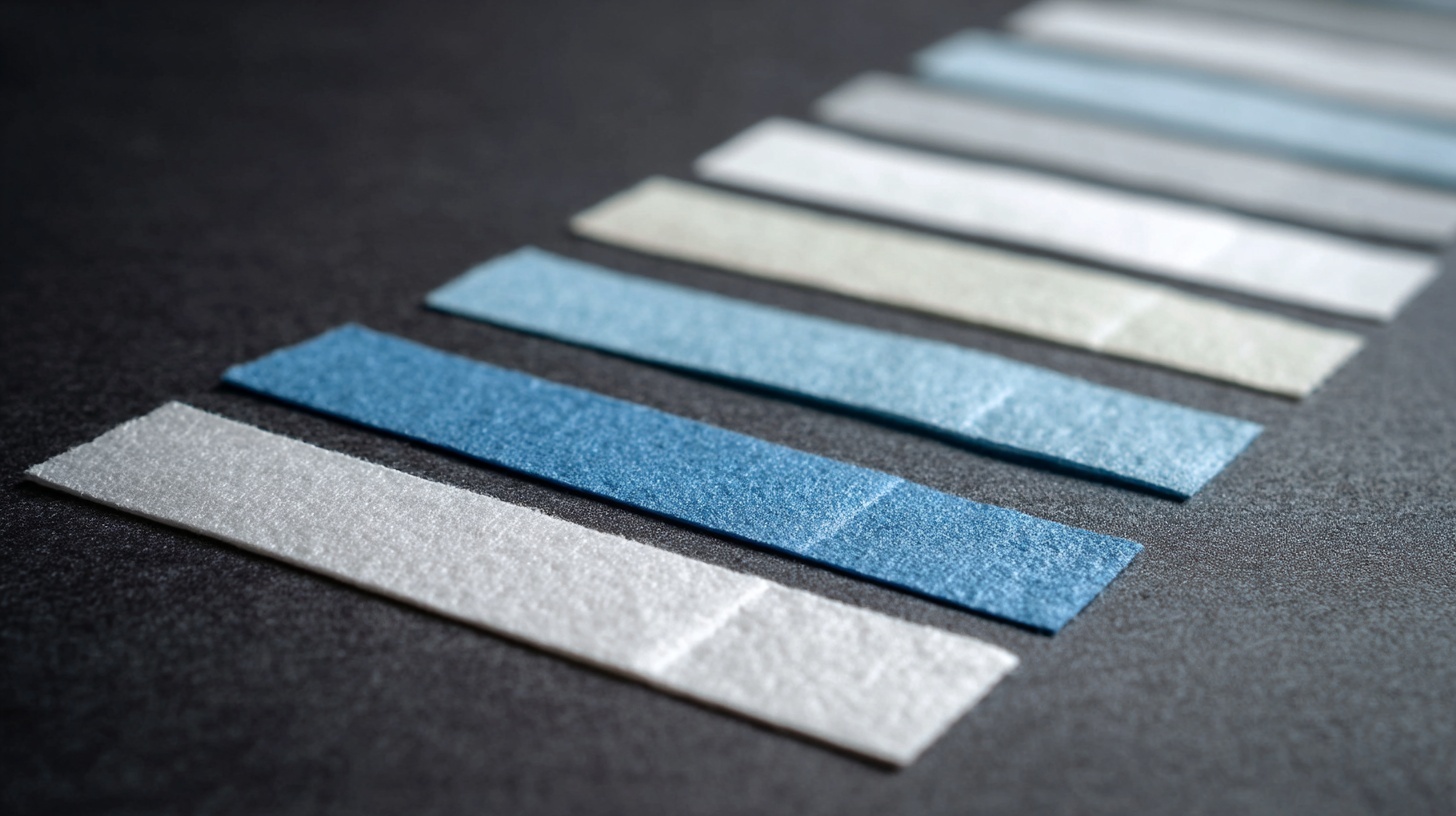
Microfluidics & Sample Prep
PrimeCare membranes provide simple and rapid sample preparation in pressure-controlled chambers and are easy to integrate.
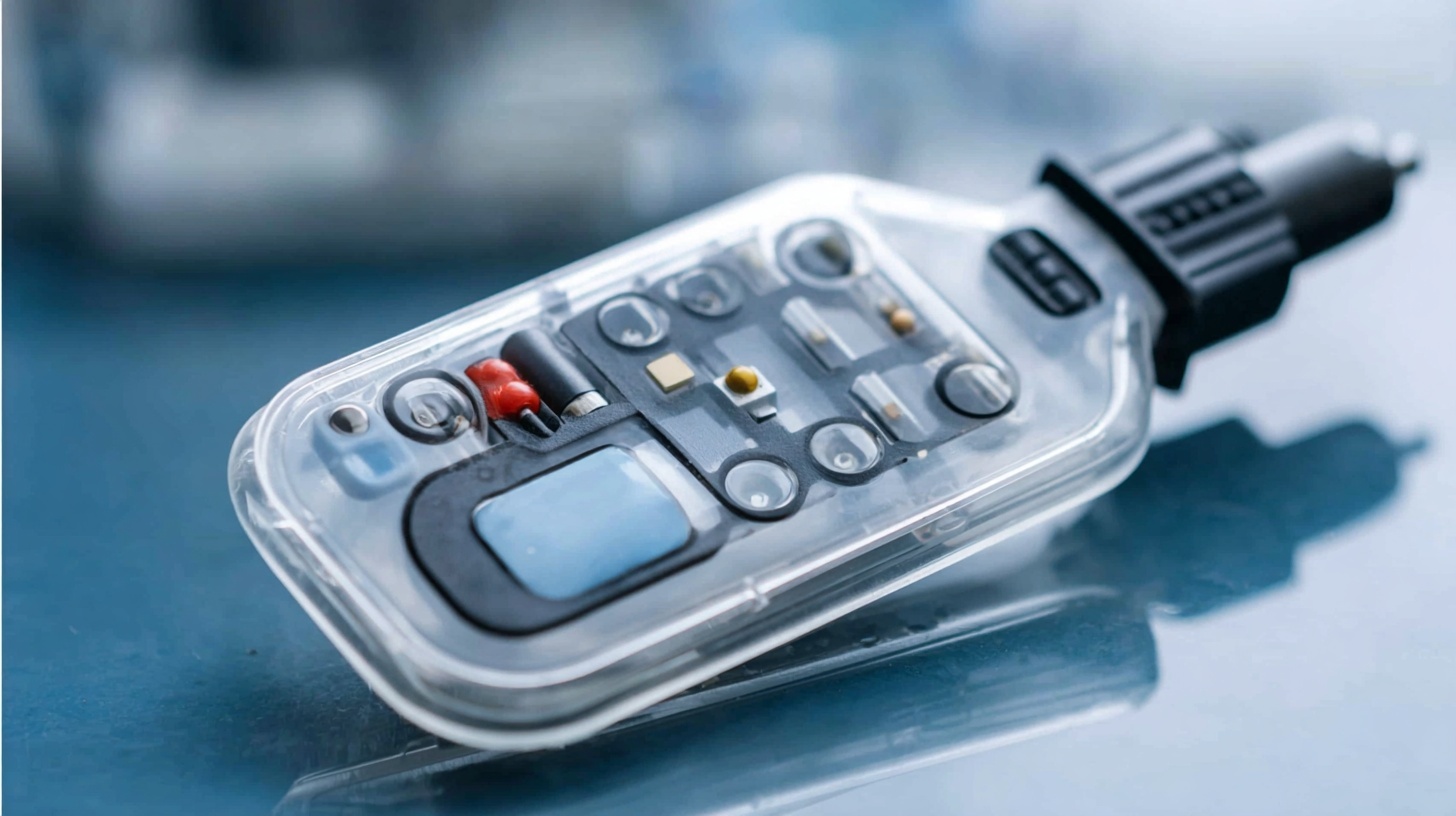
Hormone & Drug Monitoring
PrimeCare membranes are used in immunoassays for precise hormone level analysis and therapeutic drug monitoring, where RBC interference must be minimized.
| Feature | S/G Membrane | X Membrane |
|---|---|---|
| Description | Standard blood separation membrane | Thinner than S/G membrane |
| Coating | Highly effective anti-hemolytic coating | Lower concentration than S/G |
| Pore Size Range | ~35 µm (top) to ~2.5 µm (bottom) | ~35 µm (top) to ~5 µm (bottom) |
| Filtration Speed | Standard | Faster than S/G |
| Applications | Ideal for most applications | Small sample volumes or metered plasma release |
| Dimensional Flexibility | Available in Rolls (~21 cm wide, 10–100 meters long) and Ribbons (7 mm to 114.3 mm wide) | |
Request evaluation sheets
Frequently Asked Questions (FAQs)
Yes. Pore size, thickness, coating, and ribbon width are all adjustable. Uncoated versions are available for assays with specific surface chemistry requirements. Evaluation rolls are available before committing to commercial volumes.
The S/G handles up to 150μL of whole blood. The X membrane is designed for smaller volumes but can run in tandem with the S/G for applications above 200μL where metered plasma release is needed.
Separation time is as fast as 60 seconds/cm², though actual speed depends on hematocrit level and the specific membrane configuration.
The S/G membrane uses a high-concentration proprietary anti-hemolytic coating designed to minimize RBC lysis during filtration. You can test evaluation membranes. Different coating options are available and can be discussed with the technical team.