Formats
- Point Of Care Devices
- Cartridges & chips
- Vials and tubes
- Plates
- Lateral flow
- Swabs and applicators
- Ampoules
- Dual-chamber containers
- & MORE

Improve the stability and consistency of your assay while simplifying the protocol by having Fortis lyophilize your components. We take lyophilization-ready components (or we can convert your components and make them lyophilization-ready) and provide them back to you as lyophilized beads, cakes or powders. We can also lyophilize organisms onto swabs or other surfaces, providing your assay with realistic, ambient stable controls.
Want it fast? Our lyophilization services deliver prototypes within 14 business days.
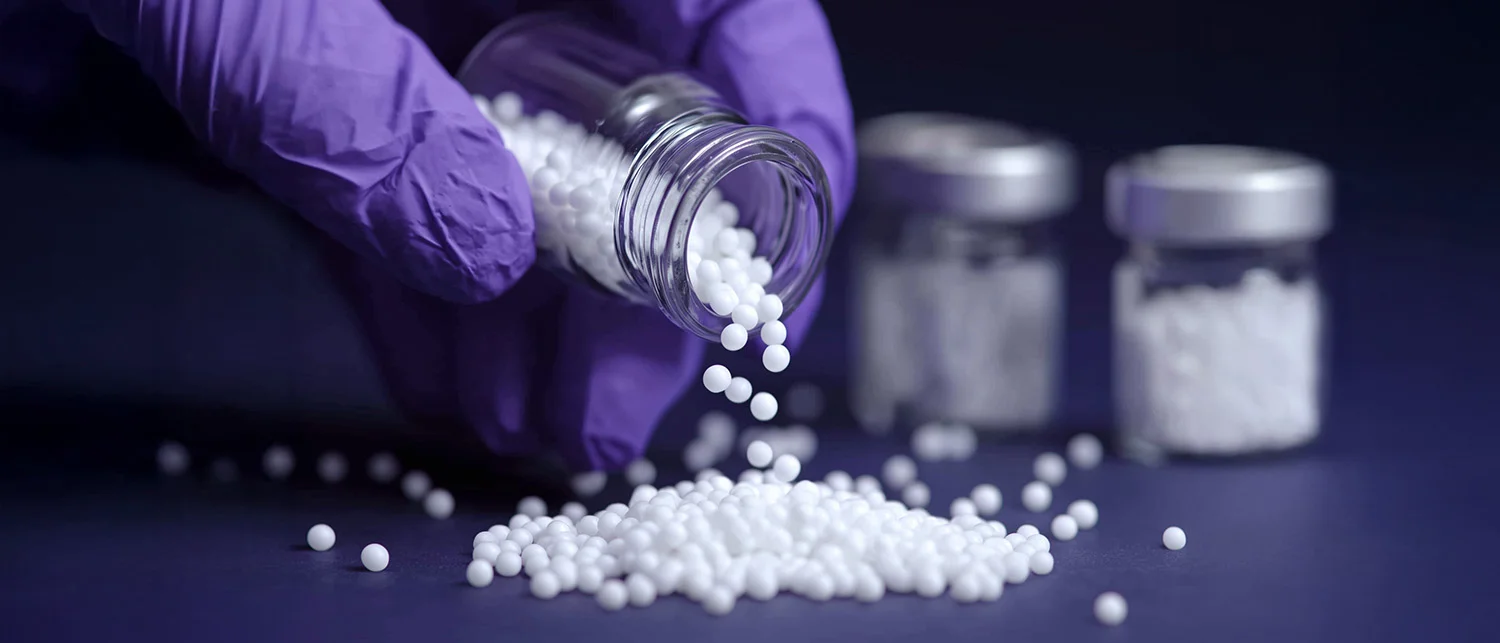
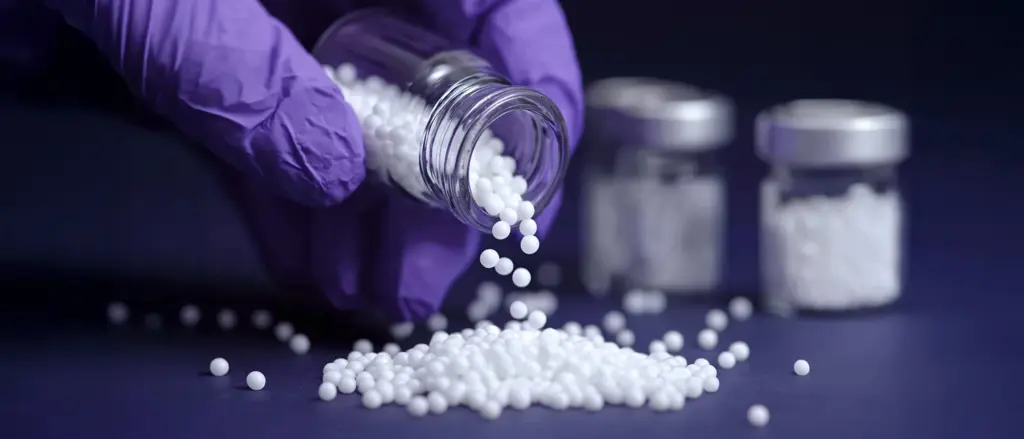
Lyophilized beads are easy to handle spheres that are readily dissolvable. Beads commonly use an input of 3-75 µL of reagent.
We provide lyophilized reagents in cake formats in pre-measured, consistent aliquots. Great for cartridges, tubes & well formats.
Swabs, applicators, and other components are coated in reagent and then freeze-dried. Coating thickness can be controlled.
Lyophilization can simplify protocols, extend shelf-life, and improve assay repeatability. Users get reproducible rehydration, lower shipping costs, and room-temperature stability.
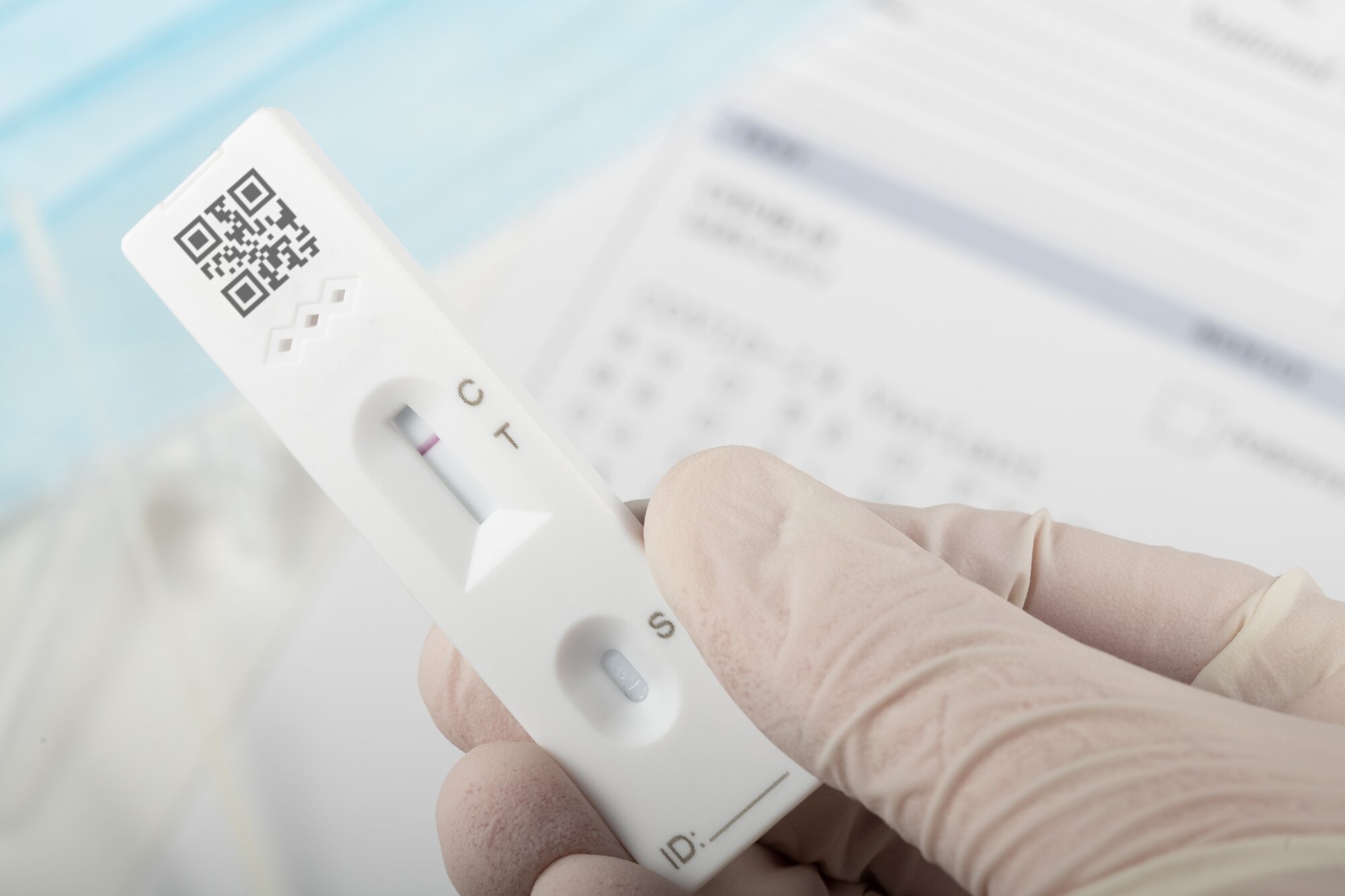
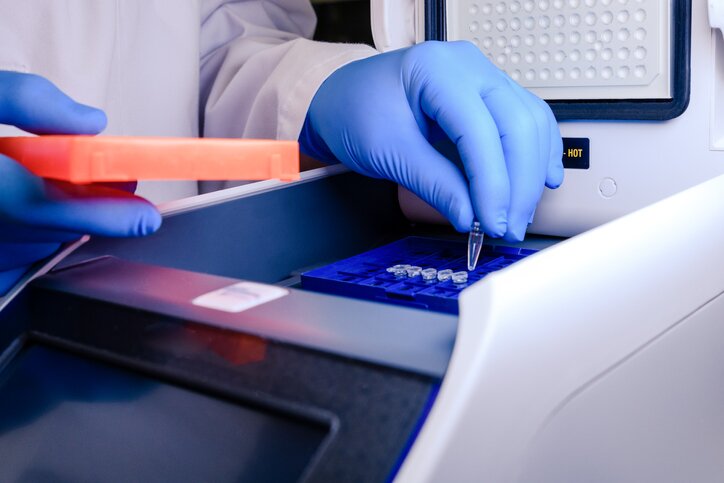
From reagents (molecular, antibody, proteins, lipids, nano & micro-particles) to microbial agents, lyophilization provides a significant robustness and stability enhancement to wet reagent kits.
Lyophilized beads for cosmetics are a unique format that retain potency of peptides, proteins and botanicals. Beads provide uniform dosing and lot to lot consistency. Color additives are available.

We customize your formulations into freeze-dried beads, ready for vials, dispensers, or bottles. Get precise dosing with beads size scaled between 1.5-5 mm diameter. Freeze-dried beads can be custom colored.
Freeze-dried bead specifications:
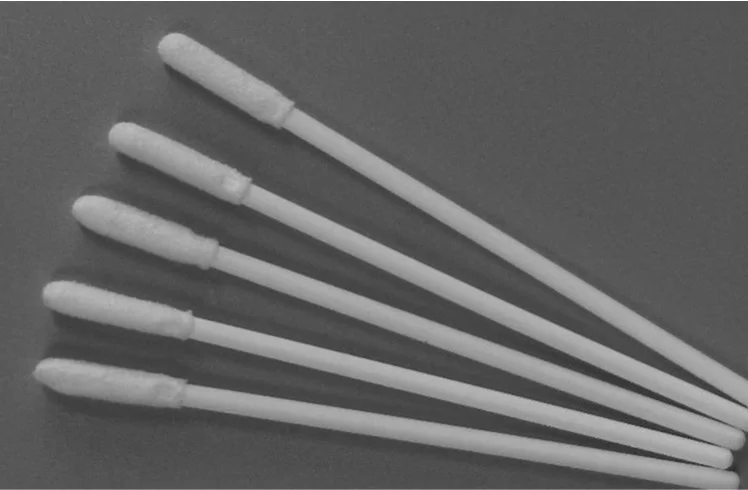
Lyophilized swabs offer a reliable and efficient solution for quality control in diagnostic tests that use swab-based sample collection (e.g., nasal, throat, or tongue). There are additional applications in cosmetics.
How Lyophilized Products Improve Sensitivity in Diagnostic Assays In diagnostics, sensitivity often comes down to one significant criterion: consistency. Even with a solid assay design,

From Bench to Production: Streamlining Lyophilized Reagent Manufacturing Reagent lyophilization scale-up from research to manufacturing can be challenging, even for experienced teams. The process involves
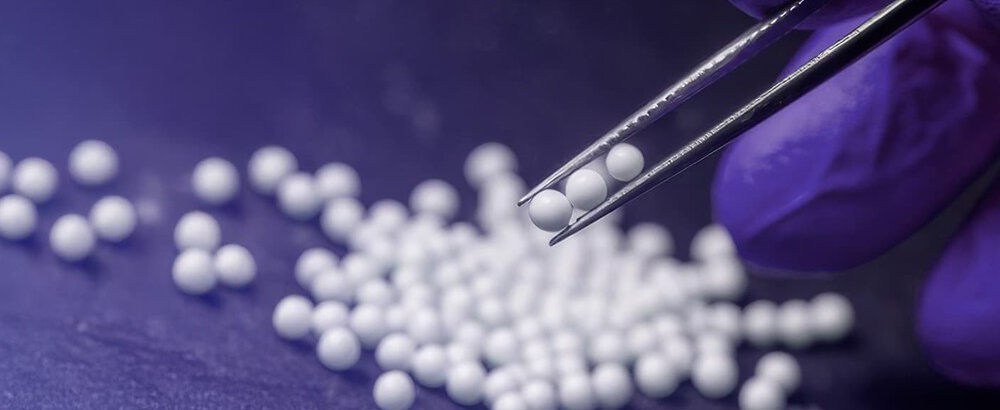
With a wide range of lyophilized beads to choose from, the correct size depends on your application, manufacturing scale, and budget. Lyophilized beads are microspheres
Lyophilization is a dehydration process where water or a solvent is removed from a material by sublimation to create a stable preparation. The material is first frozen to solidify the liquid and then subjected to reduced pressure. As the temperature is increased, the frozen water or solvent undergoes sublimation, transitioning to vapor without first passing through the liquid phase. This removes the frozen molecules from the material. A drying phase removes any remaining water or solvent.
Lyophilized beads start as a liquid formulation that typically consists of a buffer, excipient(s) to provide structure and mechanical strength, and the critical reagent, antibody, conjugate, magnetic particle, etc., at a defined concentration. The formulation is dispensed into liquid nitrogen in precise, uniform droplets, frozen, collected, and then lyophilized. This process ensures that the chemical or biological activity of the reagent is preserved.
These lyo-beads can then be used in medical devices and molecular and point-of-care diagnostics to preserve, maintain the integrity of, and deliver critical reagents. Addition of a solvent such as water restores the reagent/molecule to its original state.
Packaging and delivering critical reagents and other molecules in lyophilized beads offer many advantages for medical devices and point-of-care diagnostics:
Lyophilized swabs are typically used for quality control of lateral flow assays that detect the presence of infectious pathogens such as those causing COVID-19, seasonal flu, and tuberculosis. Protein, DNA, RNA, or inactivated control strains can be lyophilized onto a swab to mimic processing of a patient sample and are intended for use in healthcare settings to test the functionality of every component of the assay.